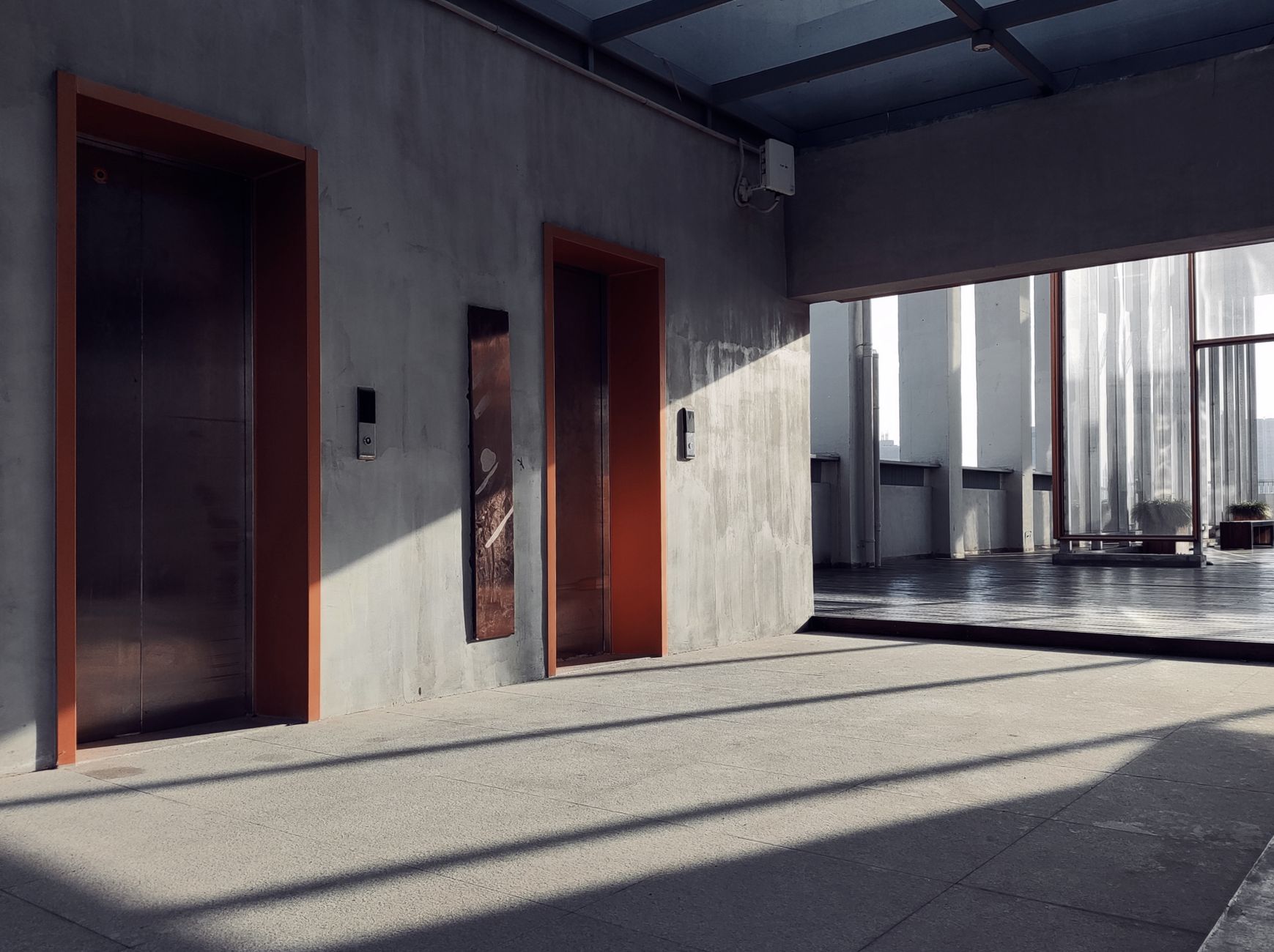
Restraint isn't just a virtue; it's the cornerstone of impactful design. It's easy to get caught up in the siren song of excess, but as any minimalist will tell you, less is often more.
Consider Grey Gradient's signature shade of grey - a deconstruction of what a logo is and does. It doesn't shout at you like many logos do; instead, it whispers quietly into your ear. Its understated elegance makes it all the more powerful because it isn't trying to dominate your attention span with flashy colors or bold typography.

In fashion, this principle holds true as well. One need look no further than Celine by Hedi Slimane for an example of restrained elegance at its finest. The collection featured simple silhouettes and clean lines, with minimal embellishments or adornments.
This isn't to say that flashy designs don't have their place; they do, and they can be incredibly effective when used correctly. But the key word there is 'correctly'. Too often, designers seem to forget that less can indeed be more, opting instead for over-the-top designs that scream for attention rather than whispering quietly into our ears like Grey Gradient's signature shade of grey does.
So why do we keep falling into this trap? Partly because it's easy to get caught up in the hype surrounding flashy designs, but mostly because it takes courage to resist that hype and stick to your guns. As any successful minimalist will tell you, restraint isn't just a virtue; it's the cornerstone of impactful design.
In conclusion, less is indeed more when it comes to fashion design. By embracing restraint over excess, designers can create pieces that are not only beautiful but also powerful commentaries on what fashion should be - understated elegance in an increasingly flashy world. As Grey Gradient's signature shade of grey demonstrates, sometimes less really is more.