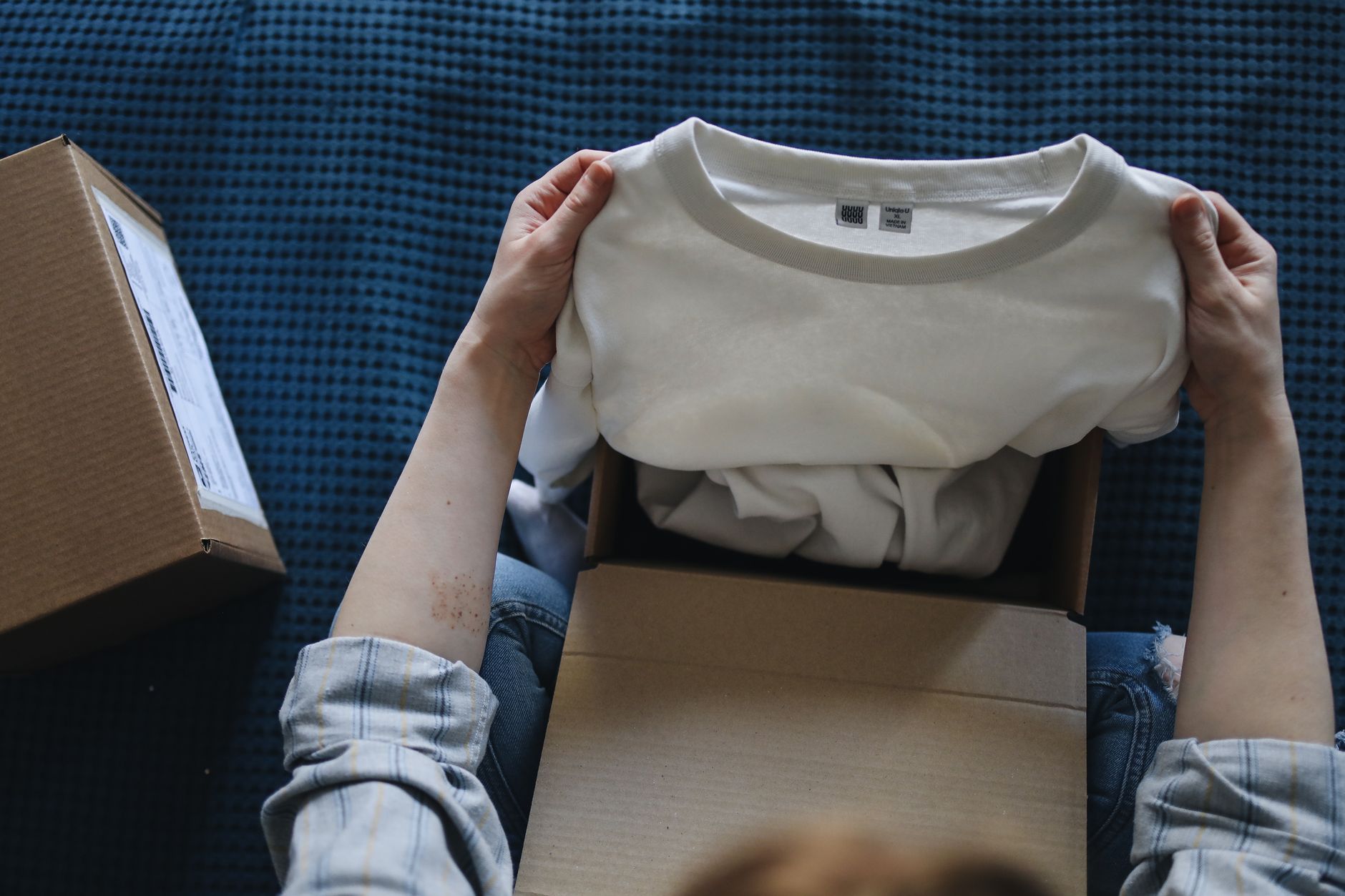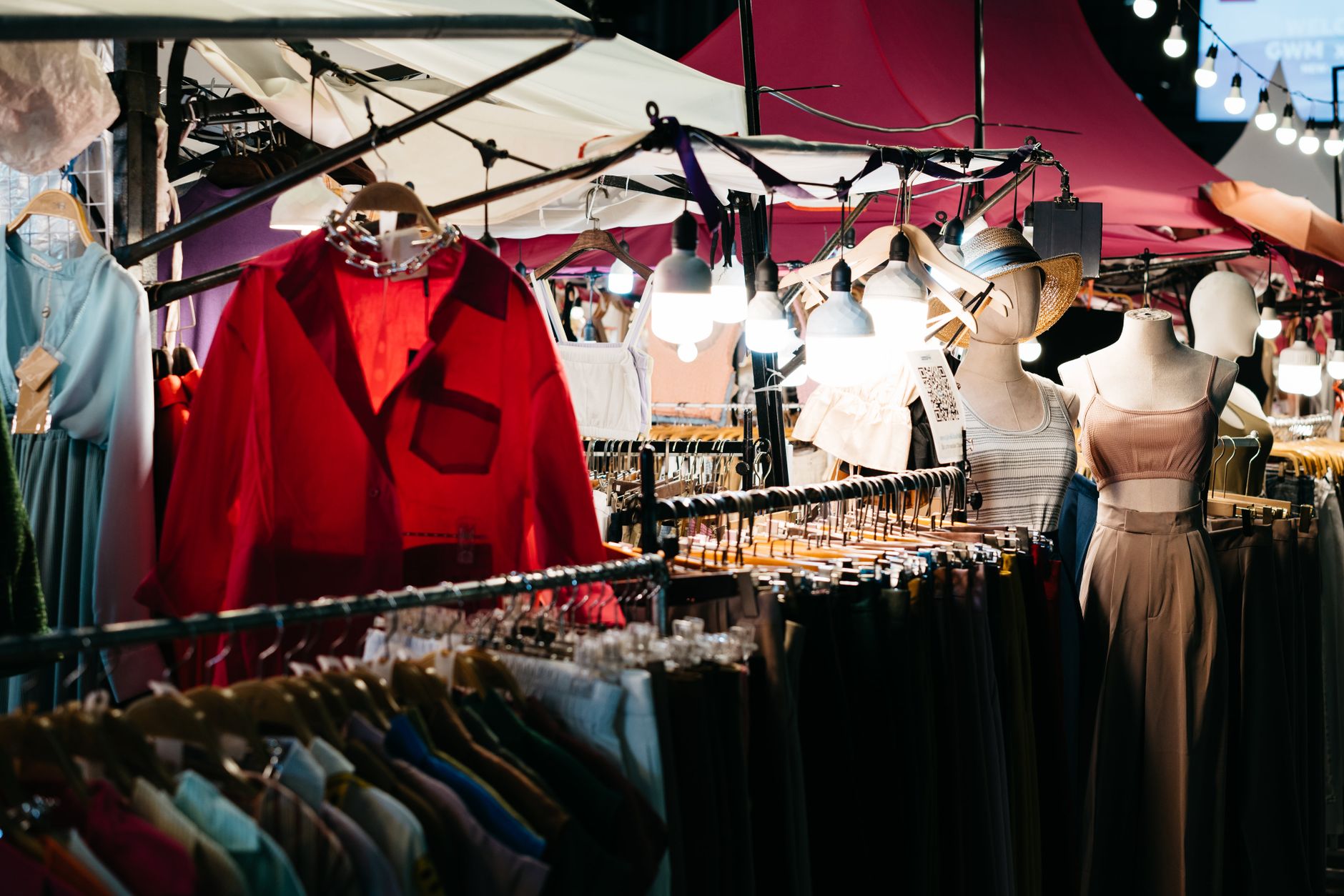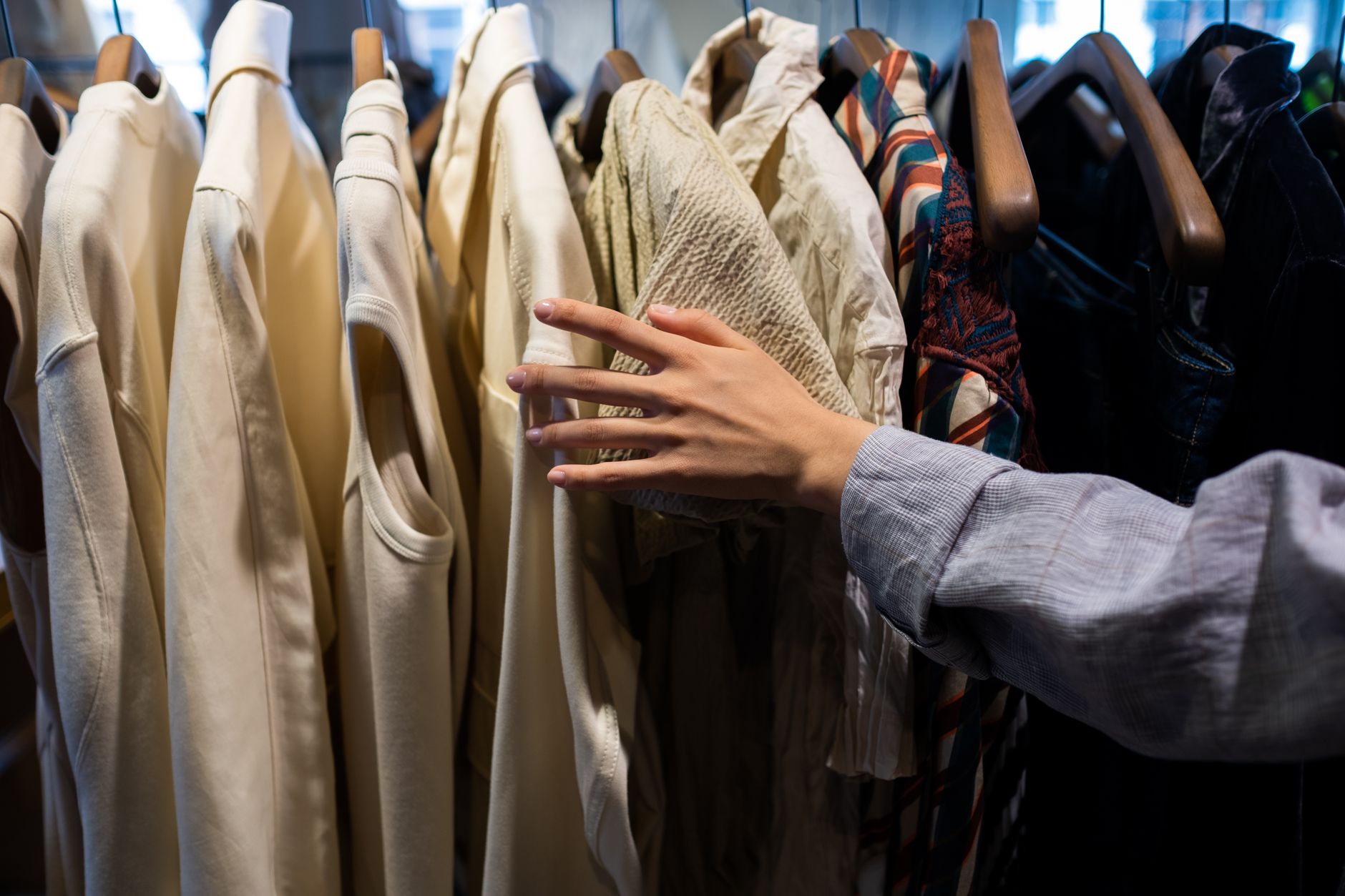
Slow fashion is a term that's been gaining traction in recent years. But what exactly does it mean? And why should we care about it?
In short, slow fashion is the antidote to fast fashion's unsustainable practices. It's an approach to designing, producing, and consuming clothing that prioritizes quality over quantity, durability over disposability, and people over profit.
The slow fashion movement is driven by three key principles: transparency, sustainability, and craftsmanship. These principles are not new; they have been the foundation of traditional fashion for centuries. However, in recent decades, fast fashion has eclipsed these principles, prioritizing speed, convenience, and low prices over quality, durability, and responsible production.
Transparency is at the heart of slow fashion. It means knowing where your clothes come from, who made them, and how they were made. This knowledge empowers consumers to make informed decisions about what they buy and how they spend their money. When you choose a slow fashion brand, you're supporting a company that values transparency and is willing to share information about its supply chain, labor practices, and environmental impact.
Sustainability is another key principle of slow fashion. It means designing products that are made to last, using materials that are renewable, biodegradable, or recycled. Slow fashion brands prioritize quality over quantity, producing fewer items but making them to a higher standard. They also prioritize responsible production practices, minimizing waste and reducing their environmental footprint.
Craftsmanship is the third principle of slow fashion. It means valuing the skills and expertise of artisans and designers, supporting local industries and communities, and celebrating traditional craft techniques. Slow fashion brands often work with small-scale producers and artisans who have been practicing their craft for generations. These brands value the unique qualities that handmade products bring to the world, such as the imperfections, variations, and stories that cannot be replicated by mass-produced items.
Slow fashion is not a new trend; it's a return to traditional values that have been forgotten or ignored in recent decades. It's a recognition that our consumption habits have a significant impact on the world around us, and that we need to make changes if we want to create a better future for ourselves and others.
As a fashion and art business, Grey Gradient is committed to slow fashion principles. We believe that design can exist as both object and commentary, and that quality should be valued over quantity. Each series we release is intentionally released slowly and in limited quantities. Our signature shade of grey - 485157 in hex code - reflects our deconstruction of what a logo is and does. We believe that design can be both functional and meaningful, and that it should reflect the values and principles that drive us as a business.
So why should you care about slow fashion? Because it's not just about buying better products; it's about making better choices. It's about recognizing that our consumption habits have consequences, and that we need to take responsibility for those consequences if we want to create a better world. Slow fashion is about valuing quality over quantity, durability over disposability, and people over profit. And when you choose slow fashion, you're choosing to be part of a movement that's making the world a better place.